A hotel is a public building full of people who do not know the exits. The finishing materials on its walls, floors and windows are part of its fire safety, and specifying the right ratings is the architect's responsibility. Here is what each standard means and exactly what to specify.
Fire ratings on interior finishes are not bureaucratic box-ticking. In a fire, the wrong wallcovering or curtain spreads flame and smoke fast. For hotels, casinos, offices and any public building in Cambodia, owners, insurers and inspectors increasingly require documented fire ratings on every finish. This guide explains the four standards you will actually use, what to specify per material, and how to verify a claim.
What to specify, by material
| Material | Standard | Specify |
|---|---|---|
| Wallcoverings | ASTM E84 / EN 13501-1 | Class A / B-s1,d0 |
| Acoustic panels | ASTM E84 | Class A |
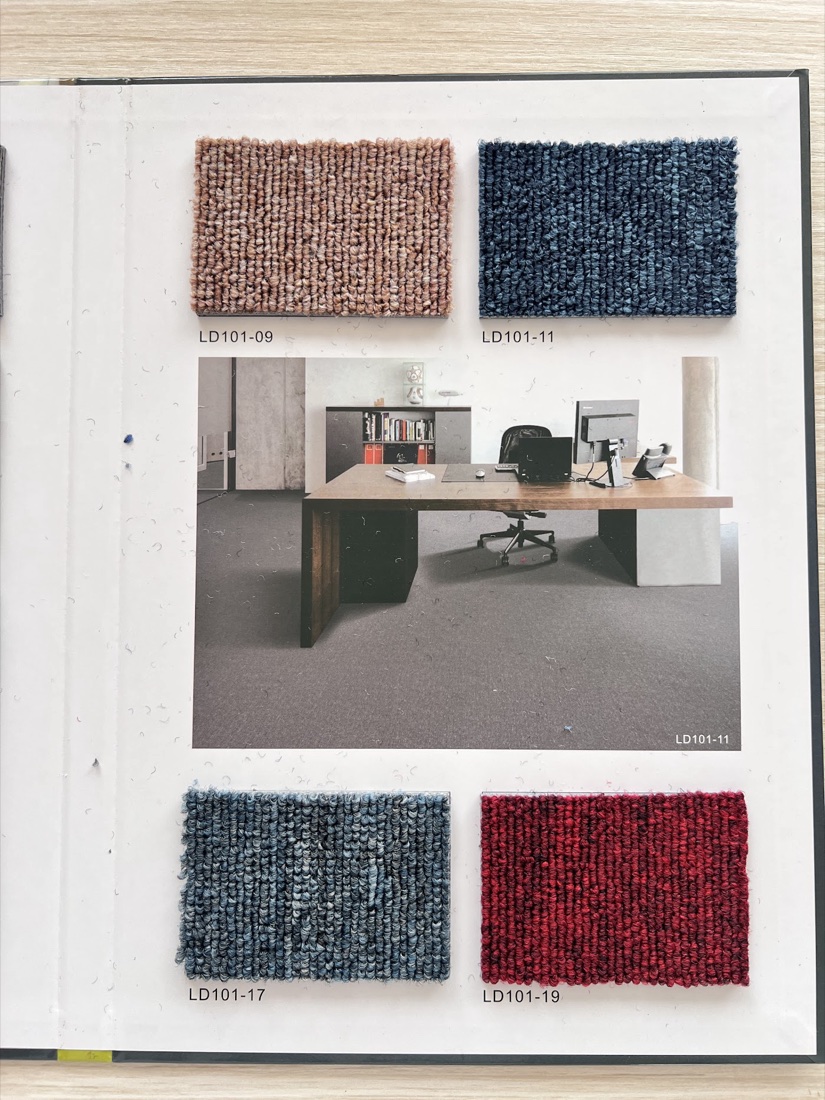
| Carpet & flooring | ASTM E648 | Class 1 |
| Curtains & drapery | NFPA 701 | Pass |
The standards, explained
ASTM E84 - flame spread (walls and ceilings)
The American standard for surface burning. It produces a Flame Spread Index and a Smoke Developed Index. The classes are:
- Class A (or Class 1) - flame spread 0 to 25. Specify this for hotels.
- Class B - flame spread 26 to 75.
- Class C - flame spread 76 to 200.
EN 13501-1 - the European equivalent
Classifies materials from A1 (non-combustible) down to F. For wallcoverings, look for B-s1, d0: low flame contribution, minimal smoke (s1) and no flaming droplets (d0). Roughly equivalent to ASTM Class A.
ASTM E648 - flooring (the radiant panel test)
Measures how flooring resists flame from a radiant heat source. Class 1 is the higher rating and the one to specify for hotel corridors and public areas.
NFPA 701 - textiles, curtains and drapery
The flame propagation test for fabrics hung in public spaces. Curtains, drapery and roman blinds in a hotel should pass NFPA 701. Some specifications also reference BS 5867 Part 2.
How to verify a fire rating - do not take a verbal claim
A supplier saying a product is "fire rated" means nothing without the document. Ask for the test certificate or data sheet that names three things: the standard, the class achieved, and the testing laboratory. That is the document an inspector or insurer will ask to see. If a supplier cannot produce it quickly, treat the product as unrated.
Specify with confidence
We supply fire-rated wallcoverings, acoustics, carpet and curtains across Cambodia, each with documentation. Read our companion guides on the full hotel fit-out, acoustic panels and commercial carpet, browse the catalog, or request data sheets for a current project.